
I’ve been a little quiet on this blog in 2026, largely on account of general busyness rather than any particular disinterest. This year, my role at the Natural History Society of Northumbria, where I’ve merrily worked for eight years now, took an interesting (and rather exciting) turn when I was seconded into a new position as NHSN’s Ouse Burn Naturalist. Generously funded by the Reece Foundation, the role has given me the opportunity to spend even more time exploring and recording wildlife along the Ouse Burn Way.
Now, for those not aware, the Ouse Burn Way is an ambitious vision to create a seven-mile green corridor stretching from the River Tyne at Ouseburn to Weetslade Country Park and the River Letch at Longbenton. The idea is to connect communities, green spaces and wildlife habitats along the length of the Ouse Burn, making it easier for both people and wildlife to move through and enjoy this part of Newcastle. Wildlife corridors are increasingly important in our fragmented landscapes, providing routes for species to move between habitats, while helping to make our towns and cities greener places to live.
Obviously, as someone who has spent rather a lot of time recording wildlife across Newcastle, this is a subject quite close to my heart. So, with a new role came a new personal challenge. Back in the summer, I set myself the task of recording as much wildlife as humanly possible along the Ouse Burn Way. With a mild addiction to biological recording, this seemed like a rather nice way to have a little fun while hopefully contributing something useful to the wider project.
Almost without noticing, it seems I’ve now reached something of a personal milestone, having recorded 1,000 species along the Ouse Burn Way. That’s a rather satisfying number, and a nice little testament to just how much there is to find in seemingly ordinary corners of urban Newcastle. But what exactly makes up those 1,000 species?
Well, unsurprisingly, the vast majority so far have been plants. I’ve recorded just over 700 species of flowering plants, ferns and even one clubmoss along the corridor. Plants so often slip under the radar of decision-makers and even fellow wildlife recorders, so I’m rather pleased to be adding to the picture of botanical diversity here.

Corallorhiza trifida

Verbena officinalis
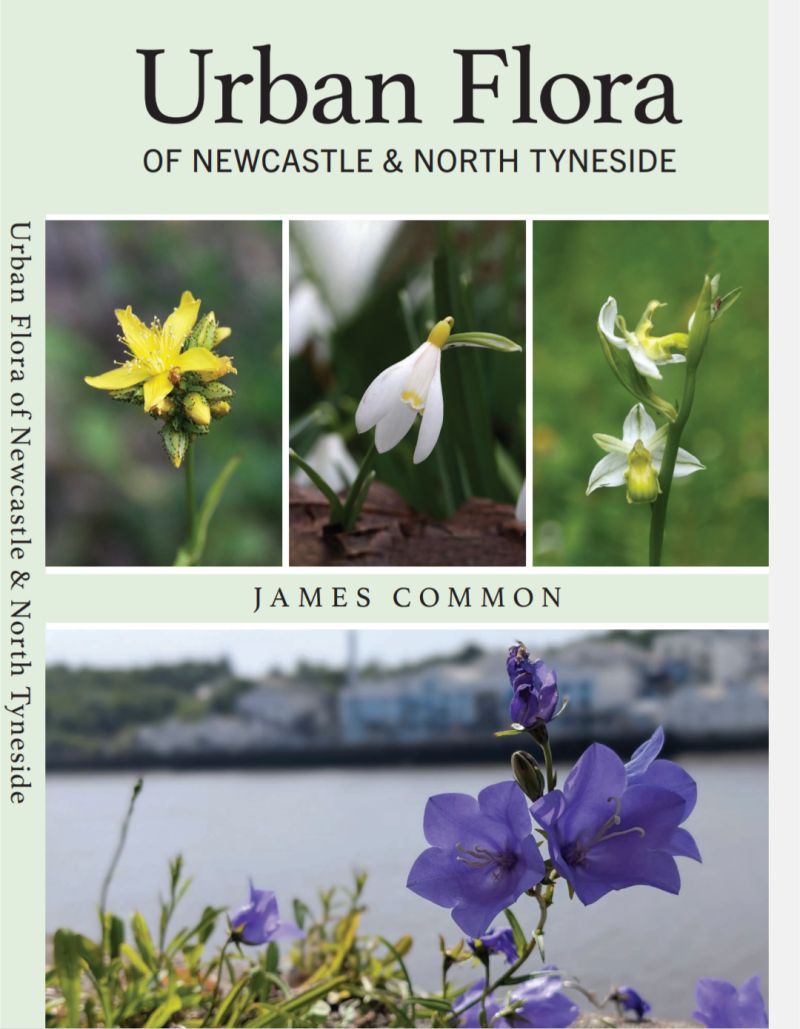
Even since the publication of Urban Flora of Newcastle and North Tyneside, there have been some exciting discoveries. These include Vervain growing in a city pavement, Pink Water-speedwell, a species not recorded in the vice-county for many years, growing beside a humble urban pond, and Hard-grass, a typically upland species, still hanging on in Newcastle. There’s been rather a lot to see, but even as a botanist, I’ve found myself needing to branch out a little.
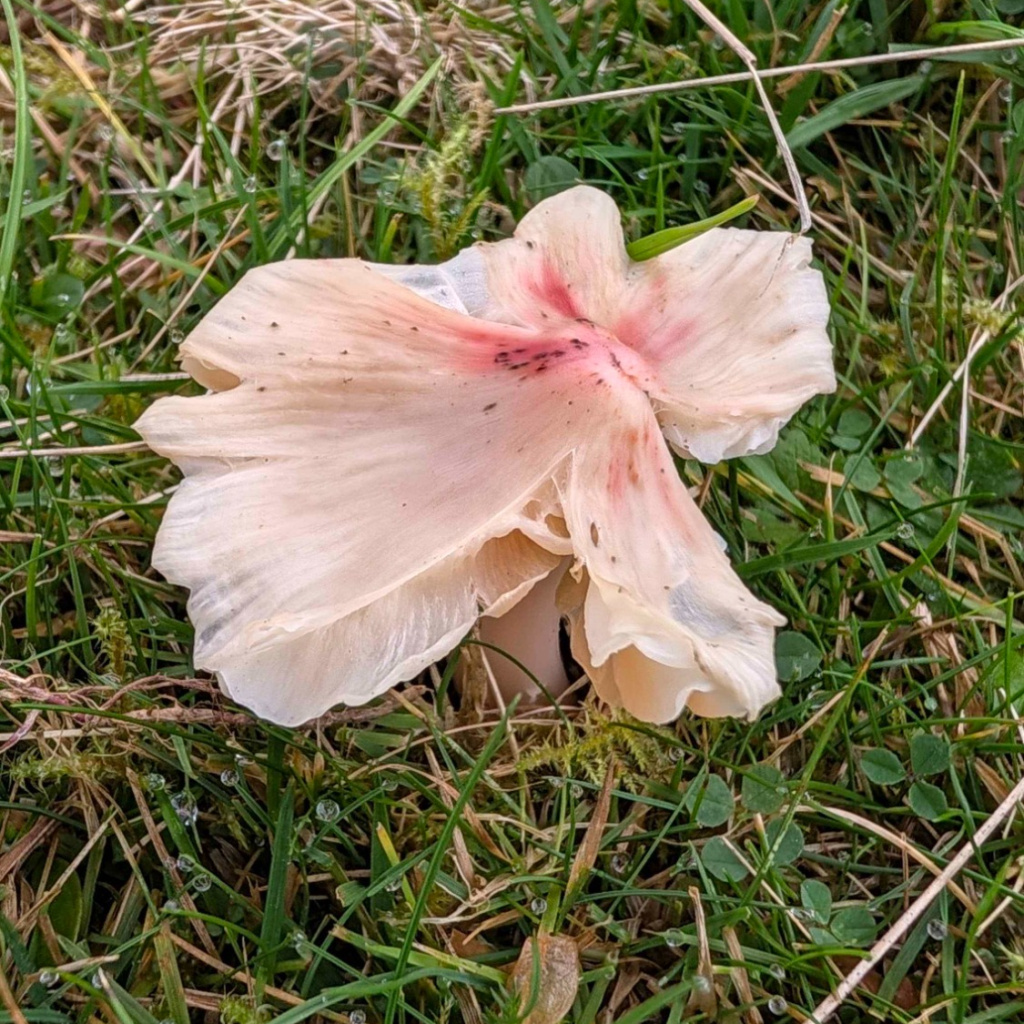
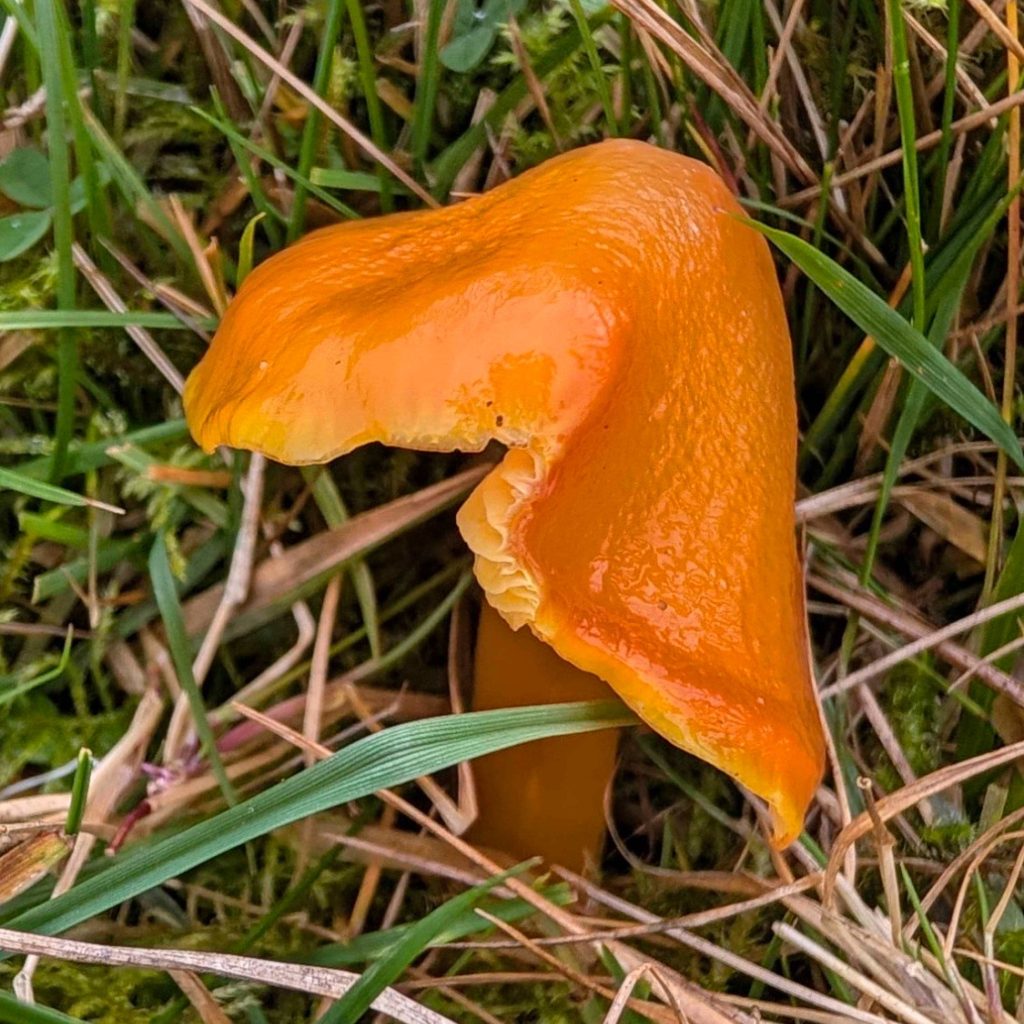
Fungi have captured my attention quite considerably this autumn. I’m still very much a beginner, but alongside a newfound obsession with waxcaps, it’s been great fun trying to get to grips with this rather tricky group. There have been some lovely finds, including a new population of Collared Earthstar, Hare’s-foot Inkcap and Small Stagshorn. More recently, Orange-peel Fungus provided a rather fitting addition as the 1,000th species on my list. Around 120 species of fungi have made it onto the tally so far.

Aleuria aurantia

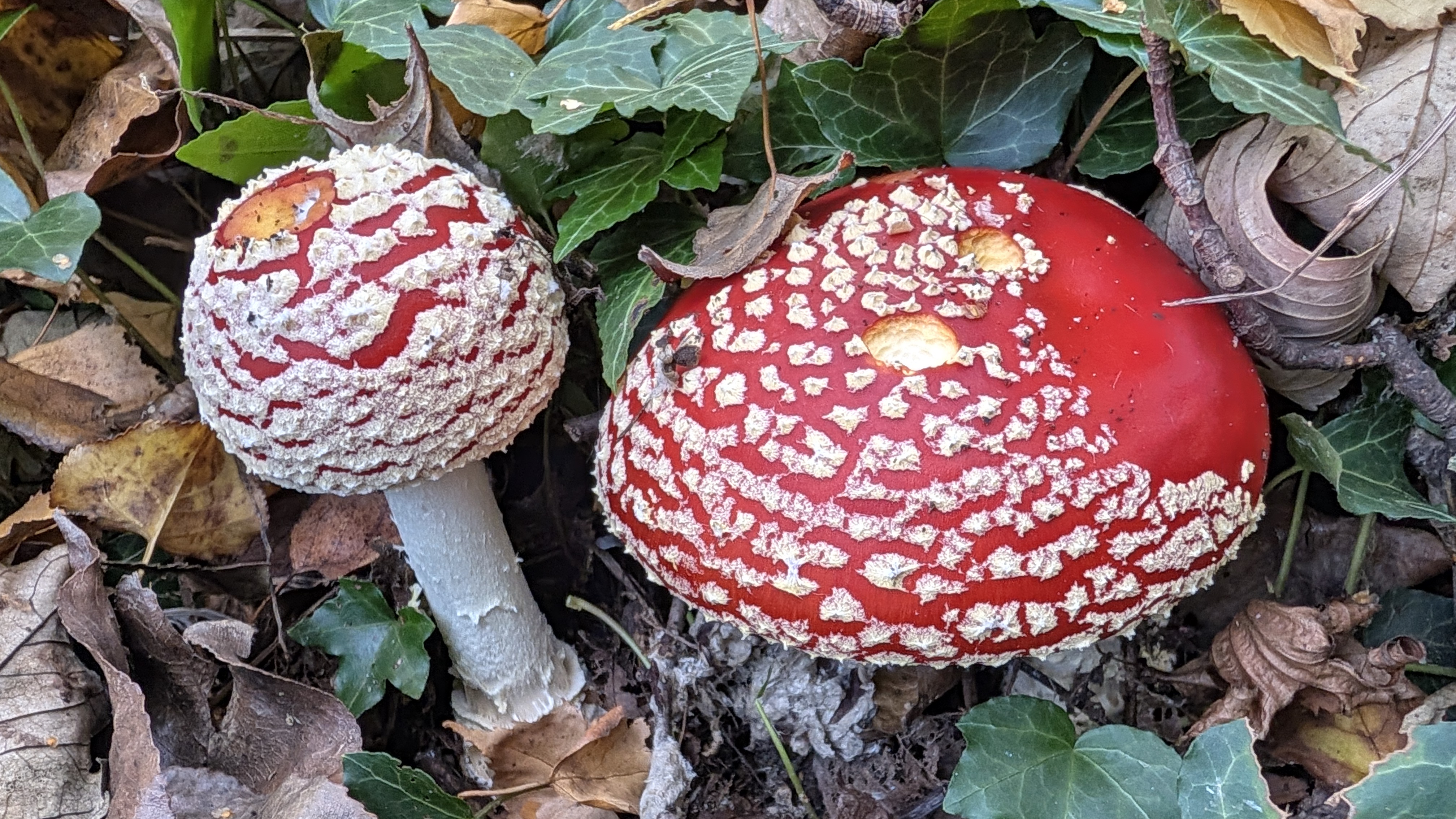
Amanita muscaria

Geastrum triplex
As for the rest, it’s been a mixture of bugs and birds, with a couple of mammals and two amphibian species thrown in for good measure. There have been some particularly pleasing finds here too, including Purple Hairstreak, Hieroglyphic Ladybird and the tiny Scymnus suturalis, to name just a few. It’s been a good reminder that there’s plenty to discover beyond the plants, even if I do occasionally need to be reminded to look up from the ground!
Of course, this is very much my own personal tally, built up through all sorts of walks, surveys and opportunistic recording. It’s by no means a complete inventory of the Ouse Burn’s wildlife, and there are plenty of gaps still to fill. But that’s rather the point. Every record adds a little more to what we know about the species living along the corridor, and helps build a picture that we can look back on as the project develops. It’s also a nice record of just how much wildlife can be found in places that many of us might otherwise walk straight past.

Coccinella hieroglyphica

Neozephyrus quercus
With the winter months approaching, I’ve decided to take things up another notch and start keeping a slightly closer eye on my Ouse Burn sightings, alongside a few recording resolutions for 2027. Just how many species can I get to during my secondment? I’ll be dusting off the moth trap, attempting to get my head around hoverflies and perhaps even looking at birds again. I rather gave up birding four years ago, but there are only so many excuses I can make!
For now, though, 1,000 species feels like a rather nice place to pause. Although, knowing me, I’ll probably have added another handful by the time this is published. Onwards to the next milestone!


Leave a Reply